
The world's real assets — real estate, bonds, commodities, infrastructure — are worth more than $500 trillion. Today, almost none of it is liquid, accessible, or programmable. That is about to change.
The tokenization of real-world assets (RWAs) is not a distant promise. It is the most consequential shift in capital markets since the internet itself. BlackRock has publicly committed to it. Goldman Sachs is building for it. The Bank for International Settlements calls it a foundational change to global finance. And yet, for all the enthusiasm, one fundamental question remains mostly unanswered: who builds the pipes?
Infrastructure is unglamorous. It is also everything. The internet needed TCP/IP before it needed Facebook. Tokenized finance needs its own foundational layer — a set of composable, compliant, and interoperable protocols that any platform, issuer, or institution can build on. That is what SUPERBLOCK is building.
The Problem: Fragmented Plumbing
Traditional capital markets are a labyrinth of fragmented, siloed systems. To invest in a bond, your data might touch a custodian, a clearing house, a transfer agent, a compliance vendor, a bank, and a regulator — each running its own software, often still fax-compatible. Settlement can take two days. Reconciliation consumes enormous human effort. Cross-border access is restricted by walls of compliance bureaucracy.
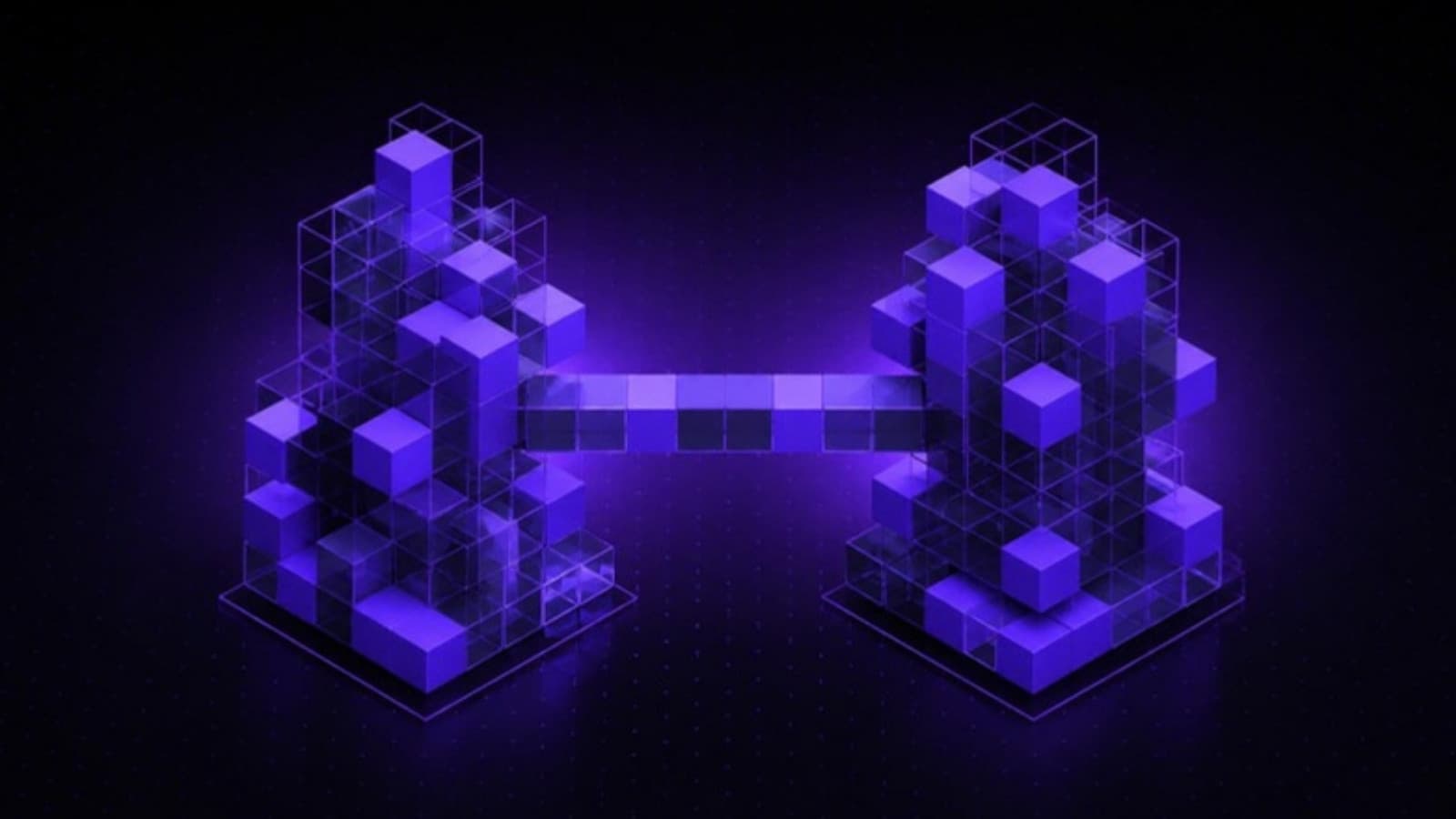
Early attempts at tokenization ran into the same walls. Platforms tried to tokenize assets on-chain, but the compliance layer lived entirely off-chain, creating a disconnect. The token moved; the compliance didn't. The result: isolated islands of digital assets that could not communicate, transfer, or compose with each other.
"Traditional capital markets are underpinned by many fragmented and siloed networks with barely any interoperability between them — leading to an industry that is analogue and fraught with slow, inaccurate, and costly processes."
The solution isn't just to put an asset on a blockchain. The solution is to build a coherent, modular infrastructure stack where compliance, identity, settlement, governance, and distribution all work together — and where every piece is interoperable by design.
The Architecture: SUPERBLOCK's Modular Stack
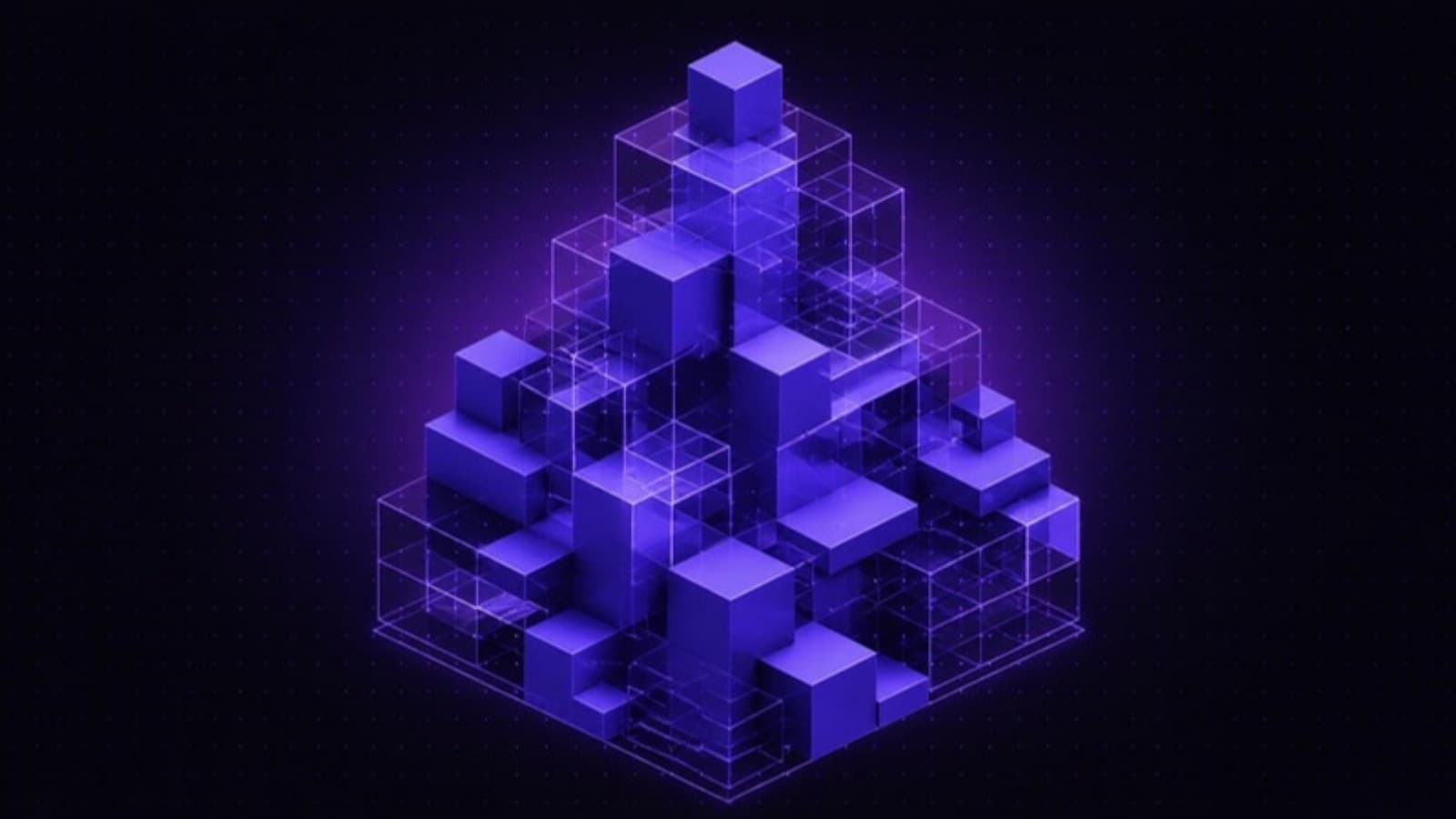
SUPERBLOCK is building that stack. Rather than one monolithic platform, it is a suite of composable modules — each solving a distinct layer of the tokenized finance problem — tied together by the $SBX token and a shared infrastructure layer.
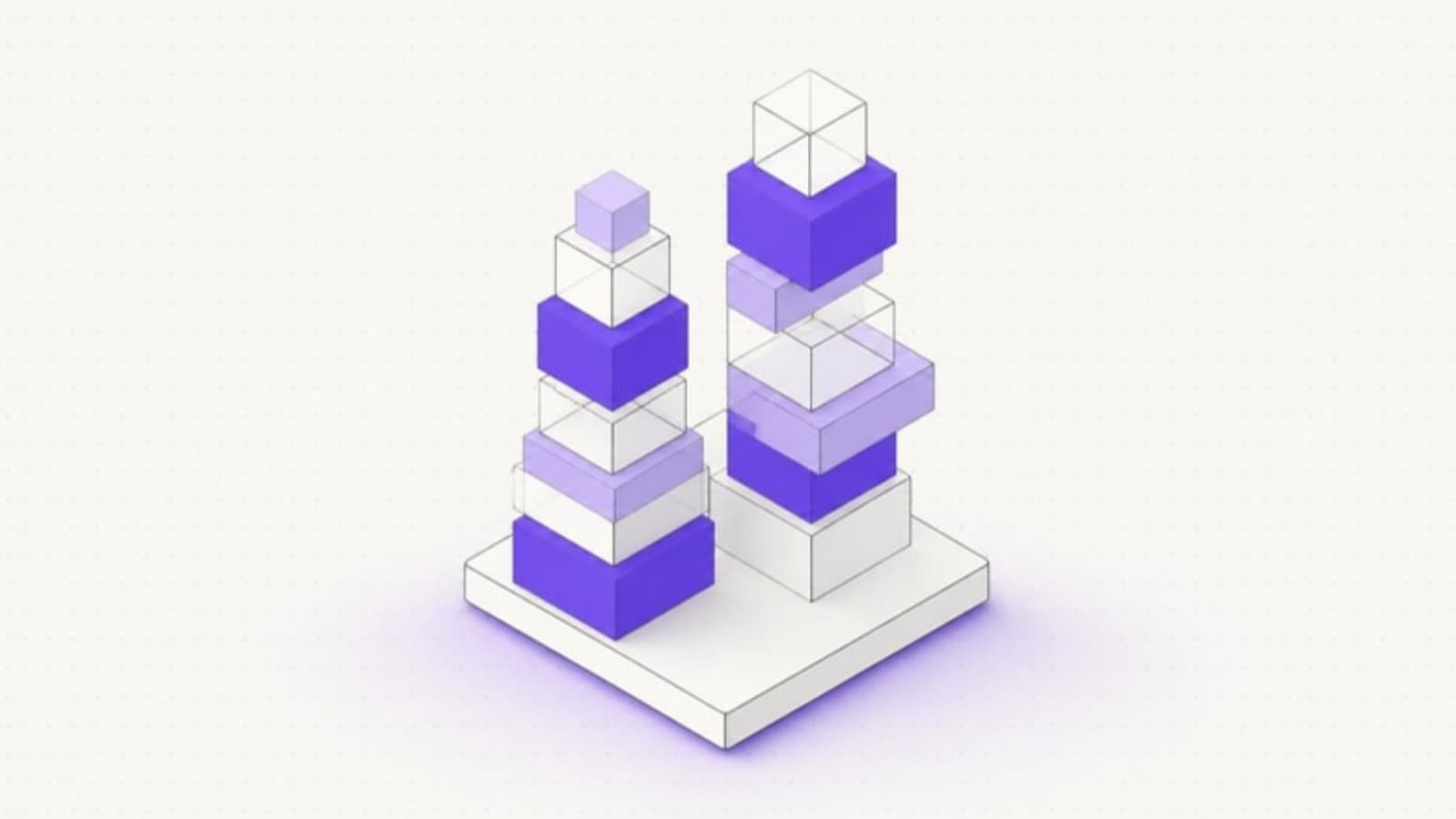
Each layer does something specific, and each is designed to work independently or as part of the whole. A bank building a tokenized bond product can plug in just the compliance layer. A DeFi protocol can use the identity passport. A real estate fund can use the full stack. This modular design is intentional — the goal is not to own every transaction, but to be the infrastructure every transaction runs on.
The Modules, Explained
Institutional Asset Tokenization
End-to-end platform for tokenizing commercial real estate, funds, and institutional assets. SPV structuring, multi-chain deployment, early liquidity via SBX Lend. Built for the $5M+ deal.
The Compliance Passport
A soulbound identity token that travels with the investor across platforms. One KYC, infinite access. Jurisdiction-aware compliance enforcement baked into every transaction.
The Intelligence Settlement Layer
AI-powered routing and settlement for CBDCs, stablecoins, and tokenized RWAs. Enables cross-chain movement of value with intelligent compliance and FX conversion.
AI-Augmented Governance
Decentralized governance for the ecosystem, where $SBX holders vote on protocol parameters. AI agents surface insights and draft proposals; humans vote to ratify.
Decentralized Compute
Infrastructure backbone providing the decentralized compute needed for the ecosystem — data availability, processing, and node operations underpinning the entire network.
Shariah-Compliant DeFi
The first fully Shariah-compliant DeFi protocol built on SUPERBLOCK. Murabaha lending, Ijara leasing, profit-loss sharing — Islamic finance principles encoded in smart contracts.
The Tokenization Flow: From Asset to Investor
A key design principle of SUPERBLOCK is that compliance travels with the token. This is implemented through the ERC-3643 standard — a smart contract framework that embeds investor eligibility rules directly into the digital security itself. Unlike traditional systems where compliance is a separate layer, here it is inseparable from the asset.
Why This Matters
When compliance is embedded in the token itself, digital securities become self-enforcing. A token cannot be transferred to an ineligible investor — not because someone is watching, but because the smart contract will reject the transaction. This eliminates an entire category of compliance failure, reduces cost, and opens assets to global distribution while maintaining regulatory integrity.
The secondary market becomes possible the same way. On SUPERBLOCK's platform, once an issuer marks tokens as tradeable, investors can find counterparties on the open network — and the compliance engine automatically verifies eligibility for every trade, no matter which platform it happens on. The cap table updates in real-time, everywhere, automatically.
The Identity Problem — and SBX ID's Solution
Every investor onboarding today pays a hidden tax: the repetition tax. KYC costs platforms $10–$30 per user. For users, it means uploading passports, proof of address, and selfies — again and again, for every platform, in every jurisdiction. It is one of the biggest friction points killing adoption of tokenized finance.
SBX ID solves this with a soulbound ERC-721 token — a non-transferable digital credential that lives in the investor's wallet. It attests to verified identity, investor classification, and jurisdictional eligibility. Platforms check the token; they don't re-do the KYC. The investor's private data never leaves their encrypted vault; the platform only sees a cryptographic proof that the checks passed.
This is the next evolution of digital identity in finance: portable, private, programmable, and permanent.
The $SBX Token: The Connective Tissue
Every layer of the SUPERBLOCK stack connects through the $SBX token. It is not a speculative add-on — it is the operational currency of the entire network.
Platforms pay in $SBX to access SBX ID's compliance infrastructure. Investors stake $SBX to earn protocol revenue and governance rights. Node operators in SBX GRID stake $SBX as collateral. DAO participants hold $SBX to vote on protocol parameters and treasury allocations. Every transaction that flows through the ecosystem creates demand for the token, and every holder participates in the governance of the infrastructure they use.
This is token design that aligns incentives rather than just creating buying pressure. The more the ecosystem is used, the more valuable participation becomes.
What Comes Next
SUPERBLOCK's roadmap is staged and deliberate. SBX Prime is live and completing its first institutional-grade tokenization deals in the UAE and Saudi Arabia — markets where regulatory frameworks like VARA and ADGM provide a clear path for compliant digital securities. SBX ID is in active development with pilot integrations underway. SBX AURA is being validated with institutional partners exploring CBDC settlement infrastructure.
The longer-term horizon includes a dedicated Superblock Layer 1 blockchain, purpose-built for RWA tokenization — with performance characteristics and native compliance hooks designed specifically for institutional-grade digital assets at scale.
We are, by design, building the rails before the trains. Infrastructure companies are not always the flashiest story in the short term. But they are the ones that matter. TCP/IP didn't capture headlines; it captured the internet.
The world's assets are going on-chain. The question is not if — it is which infrastructure they will run on. SUPERBLOCK is building the answer.
Explore the SUPERBLOCK Ecosystem
Discover how SUPERBLOCK's modular infrastructure is powering the next generation of tokenized finance — from institutional real estate to Shariah-compliant DeFi.
Visit superblock.ai →